 Email Alerts
In January 2026, Vinda launched its 2035 Sustainability Goals, charting a long-term course for its corporate sustainability journey. This launch underscores Vinda’s commitment to addressing global sustainability challenges and strengthening its role as a responsible corporate citizen. Through well-defined and measurable actions, the company seeks to collaborate with stakeholders in building a more sustainable future.
Anchored in the 5Cs Business Philosophy: Building a Robust Sustainability Framework
The newly unveiled 2035 Sustainability Goals are grounded in the vision of “Creating Better Lives with Responsible Care” and the purpose of “Improving lives by developing resources sustainably”. They are deeply aligned with the core philosophy and the 5Cs Business Philosophy of RGE Group – Do what is good for the Community, Country, Climate, Customer, and only then will it be good for the Company. To bring this vision to life, Vinda will draw upon the extensive sustainable management expertise and integrated value chain strengths of RGE in the forest, pulp, paper, and fiber sectors. The company will establish a management system with resilient governance at its core and drive concrete actions under three strategic pillars: “Sustainable Ecosystem”, “Inclusive Prosperity”, and “Product for Better Lives”. This approach translates ambitious targets into actionable and measurable initiatives, dedicated to enhancing lives in every household.
These goals are deeply embedded in Vinda’s operations, exemplifying RGE’s strategy to implement sustainability across its portfolio. They also directly contribute to several key United Nations’ Sustainable Development Goals (SDGs), highlighting the synergies derived from the Group-wide strategic framework.
① Sustainable Ecosystem & Low-Carbon Development
Under this pillar, Vinda focuses on boosting ecological efficiency across its entire production and operational footprint. The company has set concrete, measurable environmental targets, including reducing the tissue production emissions intensity by 15%, reducing the water intensity of tissue production by 20%, and achieving a waste recovery rate of at least 70% for energy or material reuse.
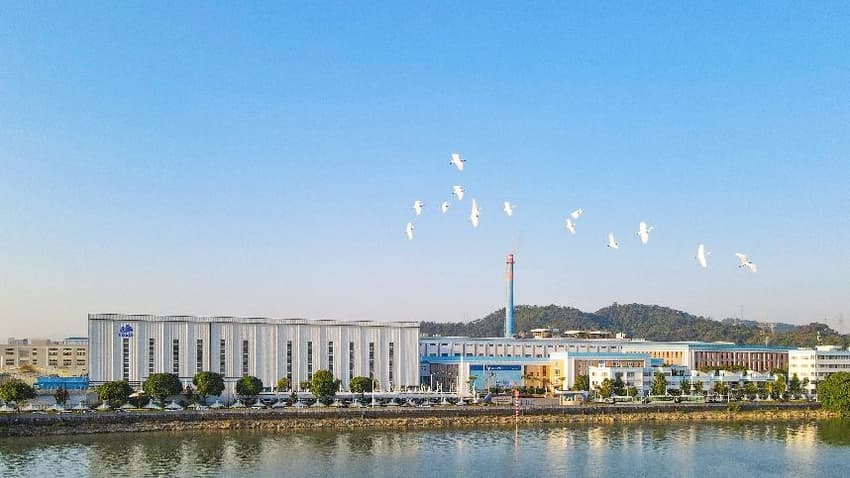
To this end, Vinda has been building a green manufacturing ecosystem. For instance, its Zhejiang factory utilizes advanced whitewater treatment technology to achieve 100% recovery of fiber and water, with a reuse rate of 99.54%. It was listed among the MIIT’s “Typical Cases of Industrial Wastewater Recycling” and designated a “Zero-Waste Factory” by Quzhou authorities. Meanwhile, its Guangdong factory was honored as a “Guangdong Provincial Energy Efficiency Benchmark Enterprise” for excellence in clean production and energy management, serving as an industry model. Looking ahead, Vinda will further reduce its environmental footprint by scaling up renewable energy use, implementing energy and water efficiency projects, and advancing waste recycling. These efforts represent its pursuit of a circular industrial model that operates in harmony with nature.
② Inclusive Prosperity & Social Empowerment
This pillar underscores Vinda’s commitment to social responsibility by prioritizing employees and communities to foster a safe, inclusive, and mutually beneficial ecosystem. Guided by RGE’s 5Cs Business Philosophy, Vinda has set specific targets: achieving at least 40% representation of women in management roles, maintaining the LTIFR (per million working hours) below 0.5, and reaching over 1 million beneficiaries cumulatively through community initiatives.
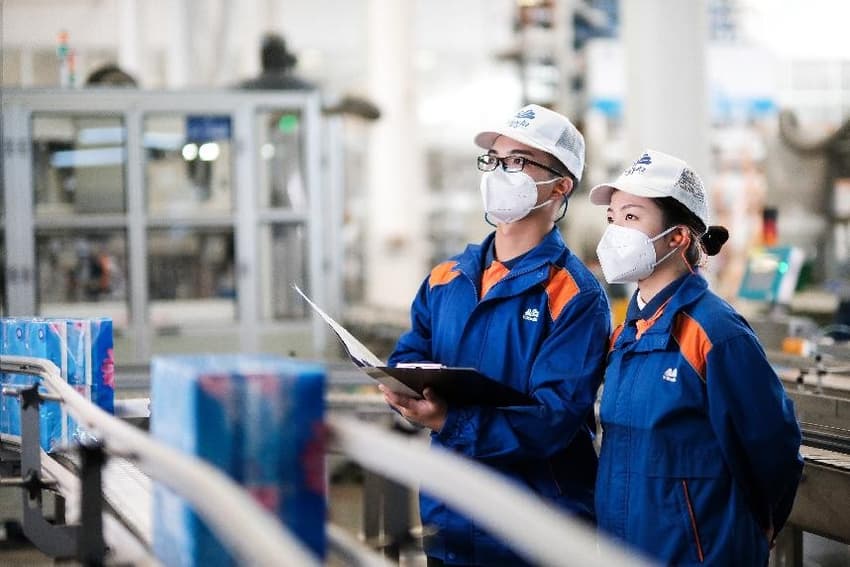
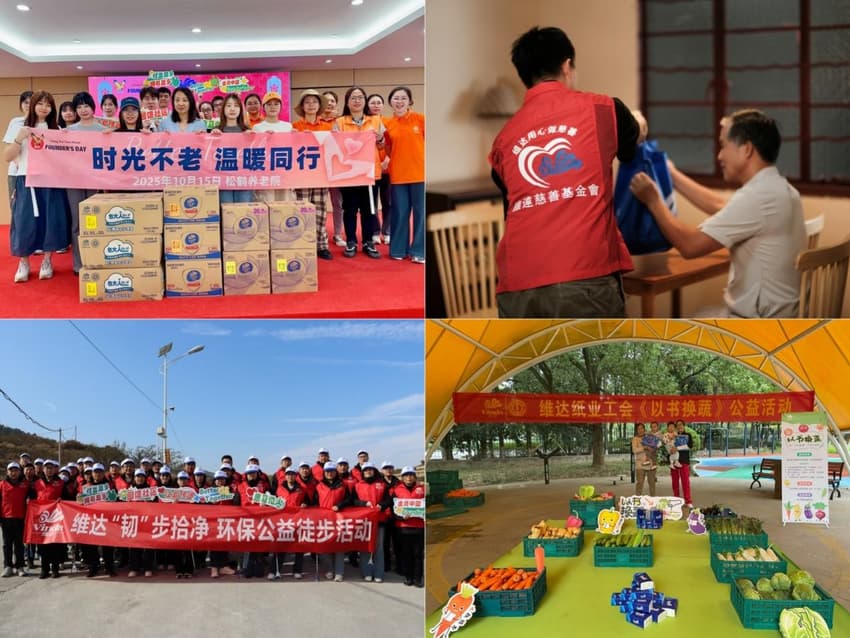
Vinda has long focused on safety, aiming for zero accidents. It also promotes gender equality, nurtures talent, and enhances career development pathways. In the community, Vinda runs impactful programs: the “Carefree Summer, Warm Winter” childcare service supports working parents; the “Vinda Stars” scholarship program aids students in need; and regular “Elderly Care” initiatives engage with senior citizens. These efforts reflect Vinda’s deep, ongoing commitment to an inclusive workplace and thriving communities.
③ Product for Better Lives & Responsible Innovation
This pillar focuses on embedding sustainability across the product lifecycle through responsible innovation. Vinda’s targets include incorporating over 95% recyclable or renewable materials in packaging, ensuring that at least 30% of new or upgraded products annually offer clear environmental or social advantages, and sourcing 100% of its wood pulp from responsibly managed forests.
Achieving these goals is supported by RGE’s stringent sustainable sourcing standards, which ensure compliant and eco-friendly core materials like wood pulp from the outset and help manage ecological risks systemically. Concurrently, Vinda translates its sustainability commitment into tangible product experiences through continuous innovation in both products and materials. In 2025, Vinda launched innovative products that deliver both environmental and social value. Examples include: Vinda Cashmere-like Facial Tissue with AIR-Tech air-fluff technology, triple-certified for sensitive skin and baby use; Tempo Velvet Soft Pocket Tissues, offering an exceptionally soft touch; Libresse薇尔 Pure Cotton Sanitary Napkins, meeting baby-safe standards for women’s comfort; Dr. P’s Adult Diapers, featuring patented antibacterial technology for improved care; and the new Vinda Professional Luxury Platinum Series Dispenser System, setting a new standard for professional hygiene solutions. Furthermore, Vinda systematically integrates eco-consciousness into end-to-end product management. By implementing a sustainability management system across its value chain and instituting green design standards, the company reduces its carbon footprint, generates green momentum, and embeds sustainability into the core of every product.

Building a Strategic Foundation to Drive Sustainable Industry Transformation
Vinda’s 2035 Sustainability Goals are comprehensive, measurable, and interconnected, representing a significant shift from incremental projects to an integrated, long-term strategy. As a key part of RGE’s sustainability strategy, these goals - backed by the Group’s guidance and resources - provide Vinda with a clear strategic direction and a solid foundation for long-term growth. Moreover, the replicable and scalable model offers a valuable framework for the wider Chinese consumer goods sector in its sustainability journey.
Moving forward from this new baseline, Vinda will continue to embrace RGE’s responsibility ethos. With resilience and the mindset of an industry leader, the company is committed to advancing green manufacturing, social empowerment, and product excellence. It strives to achieve harmonious coexistence between its operations, nature, and society, thereby steering the industry toward a high-quality and sustainable future.